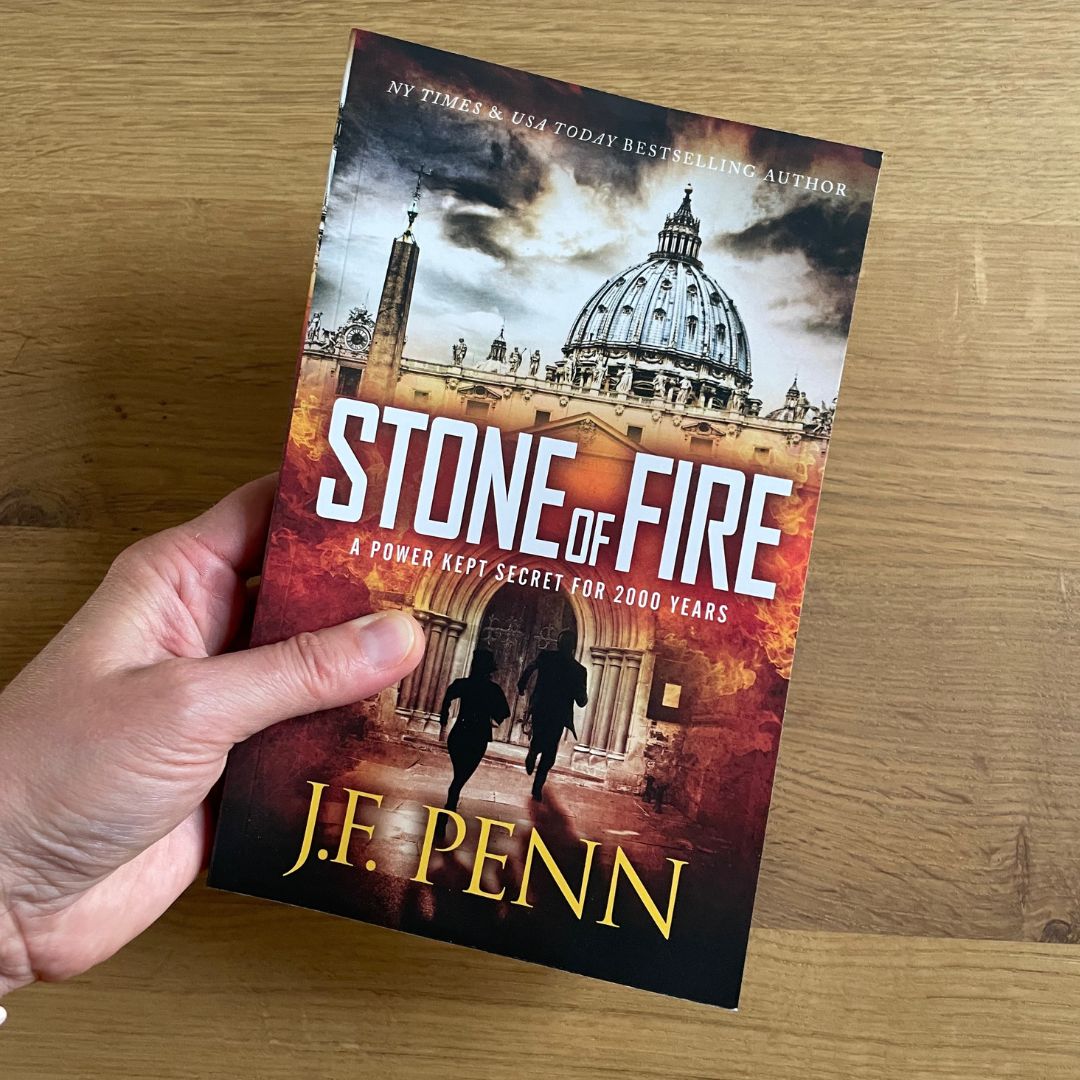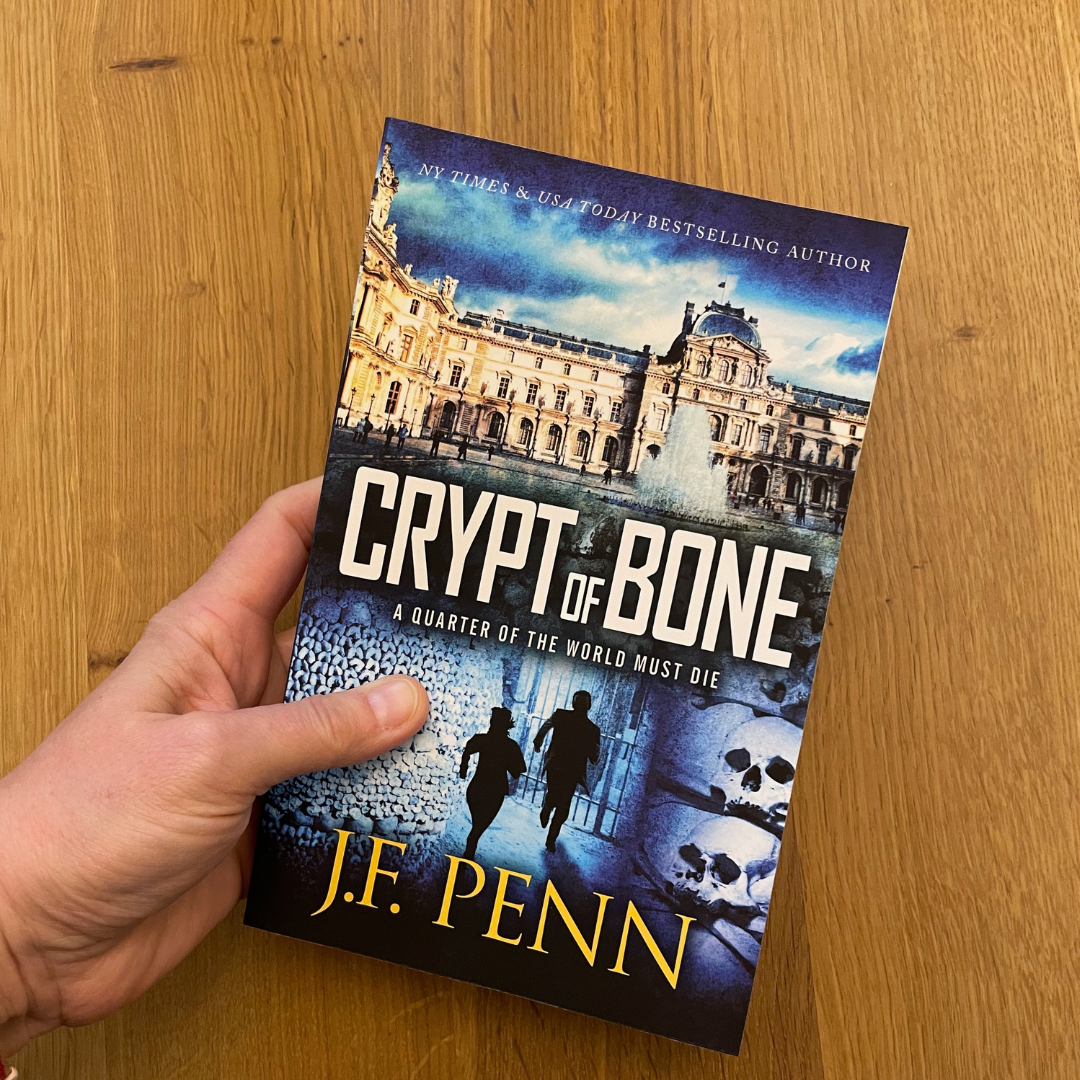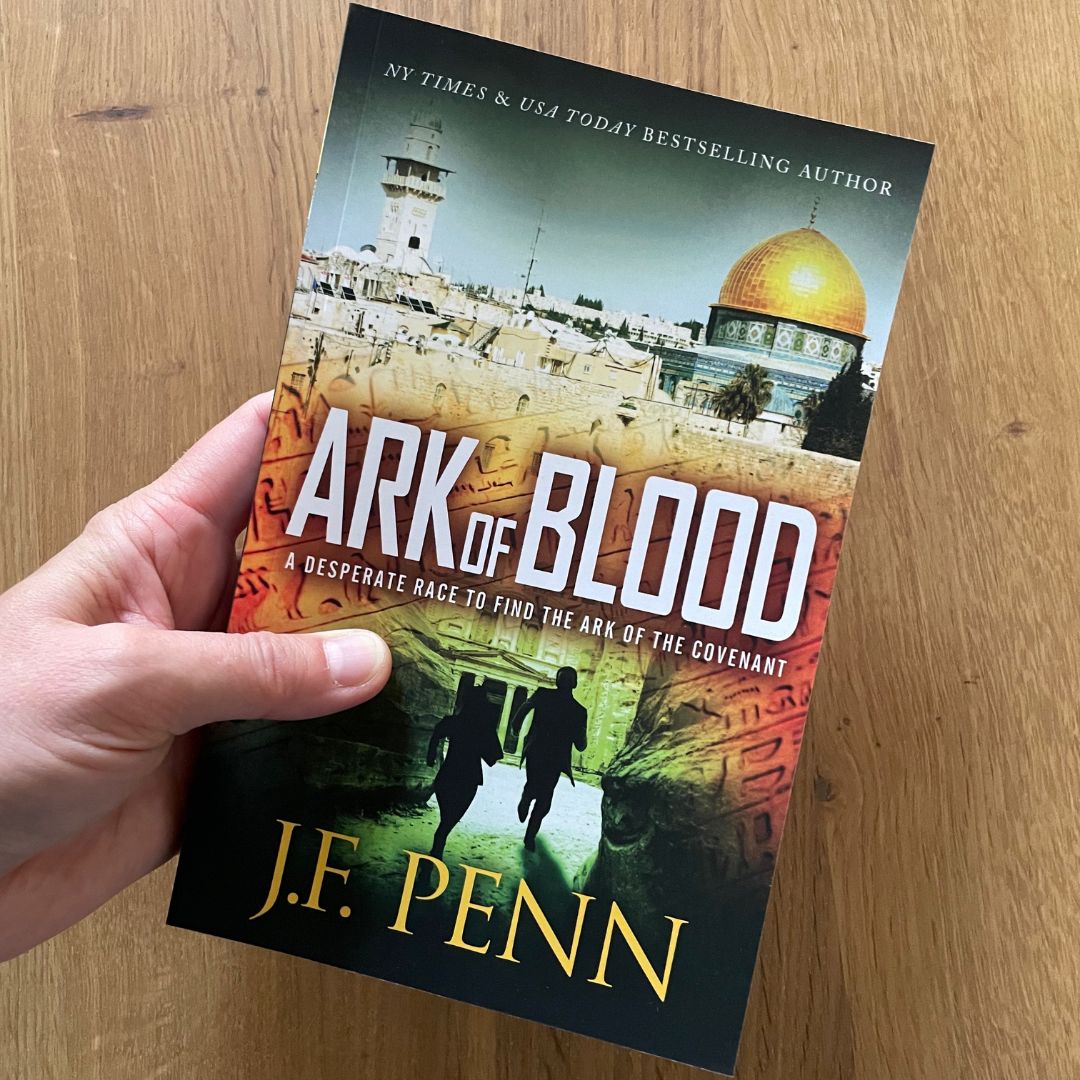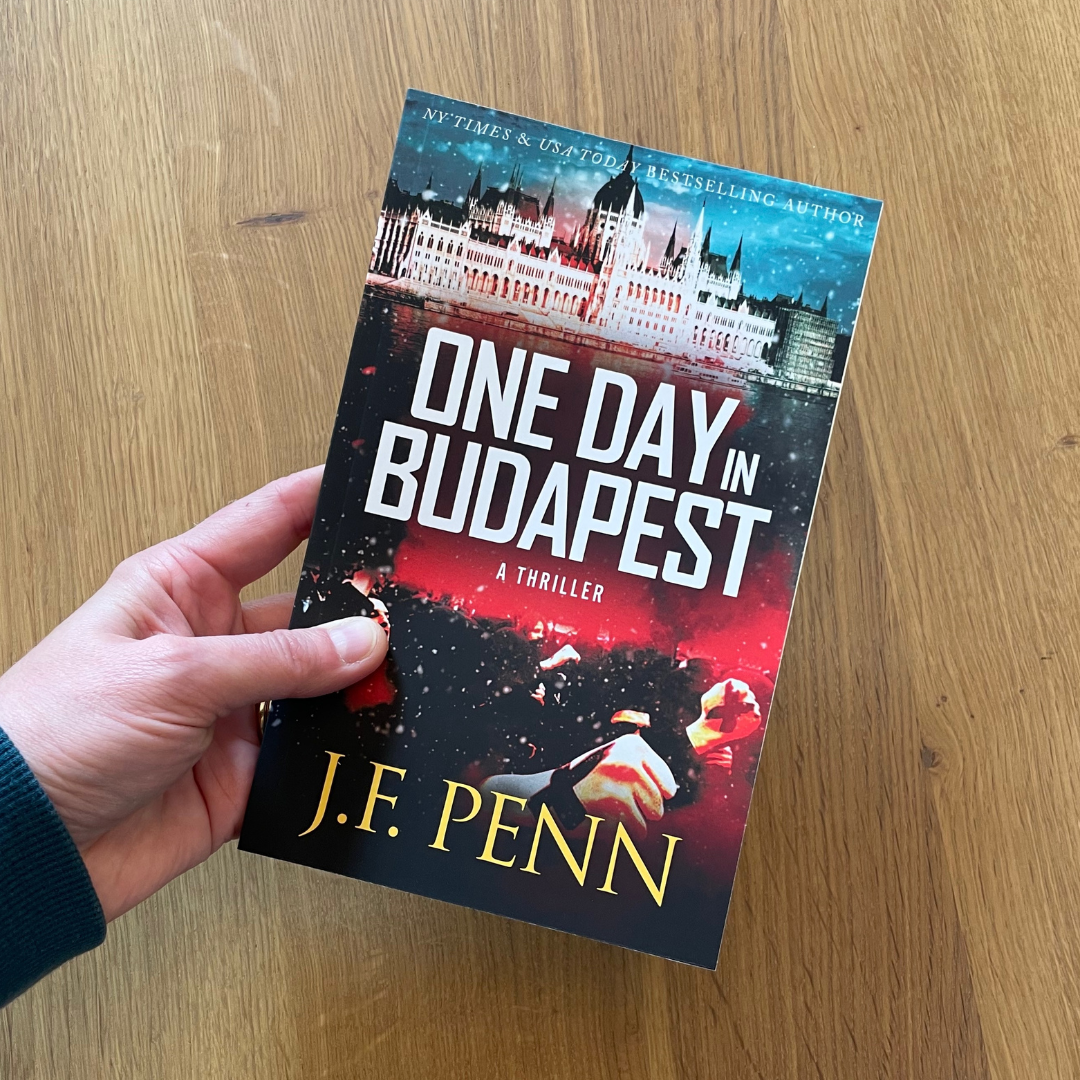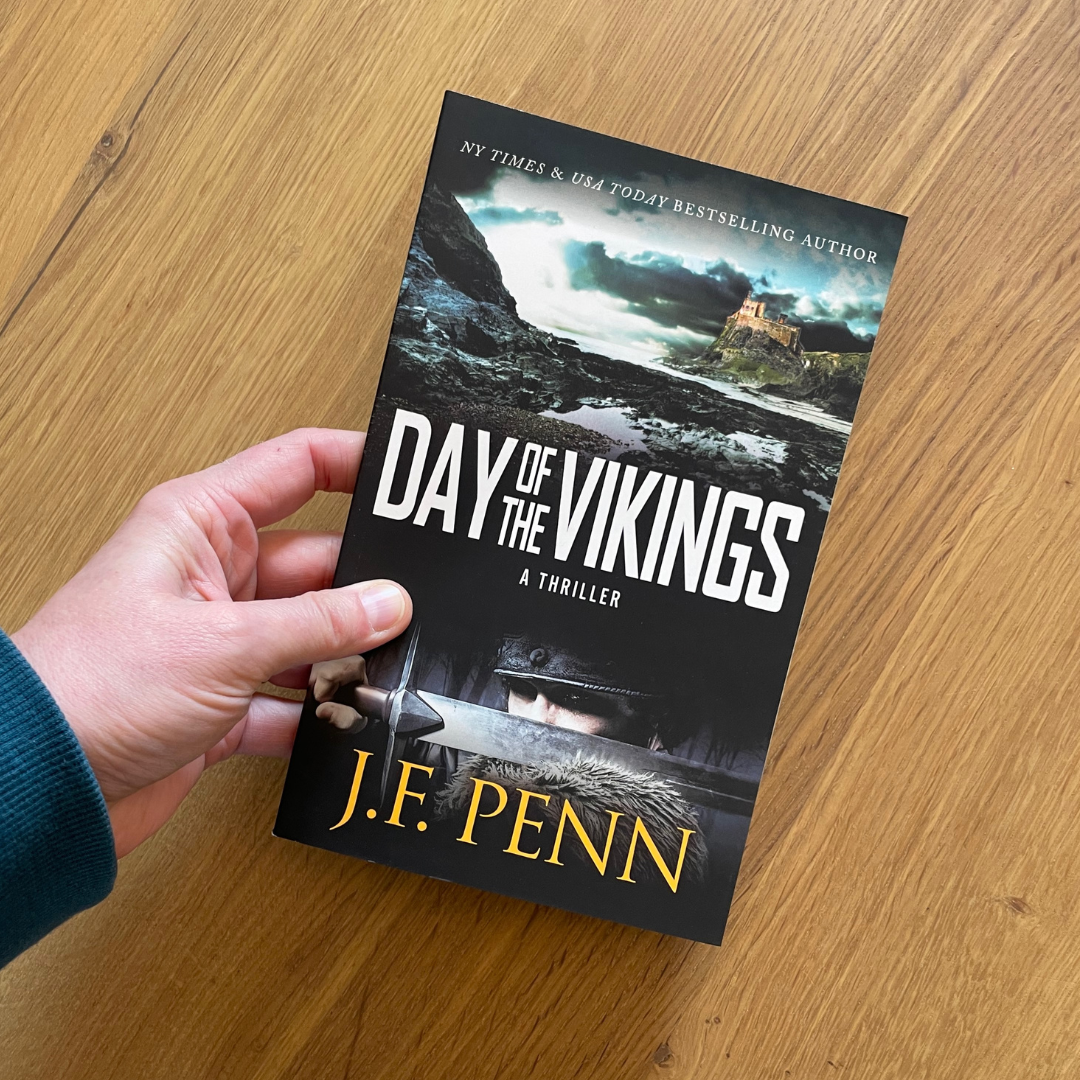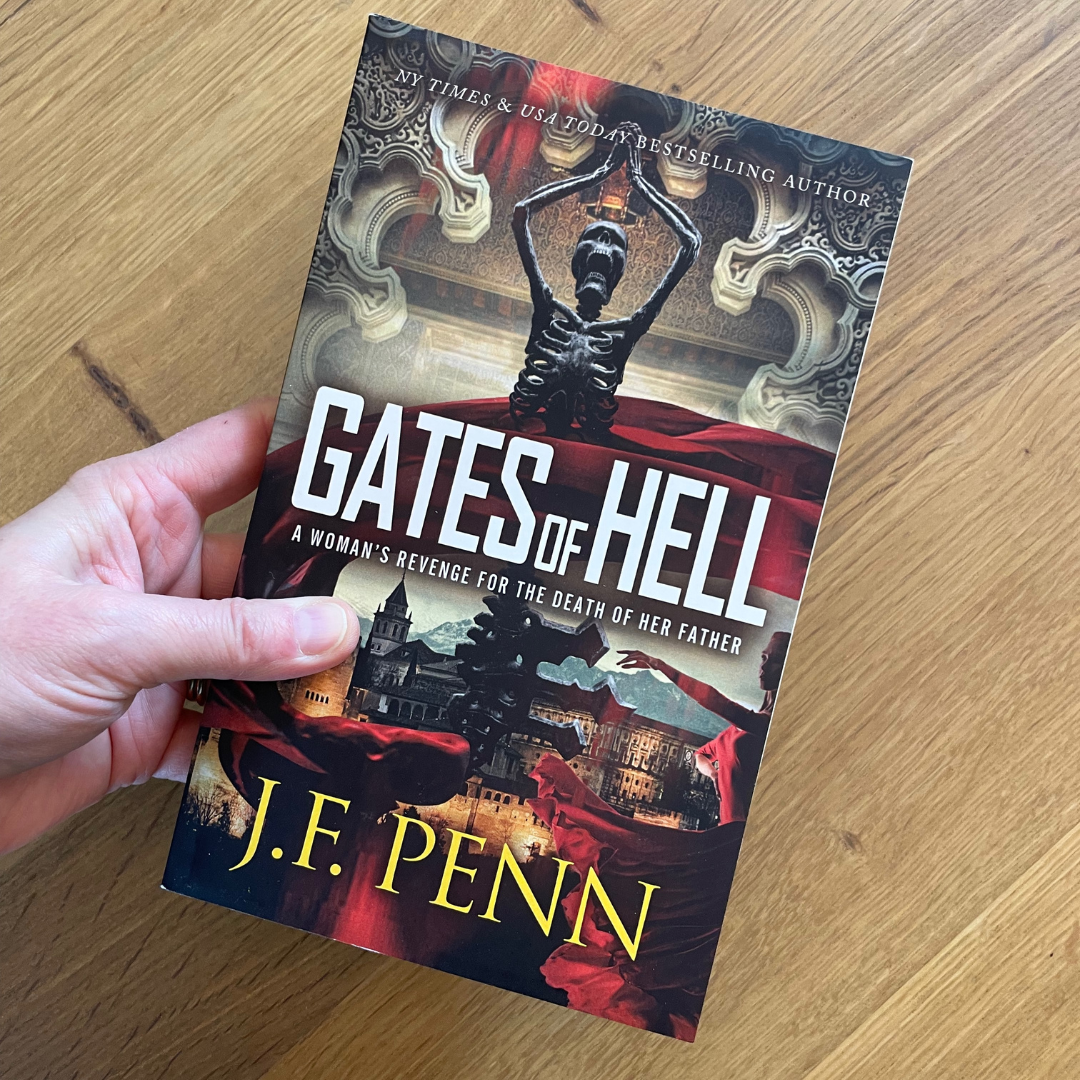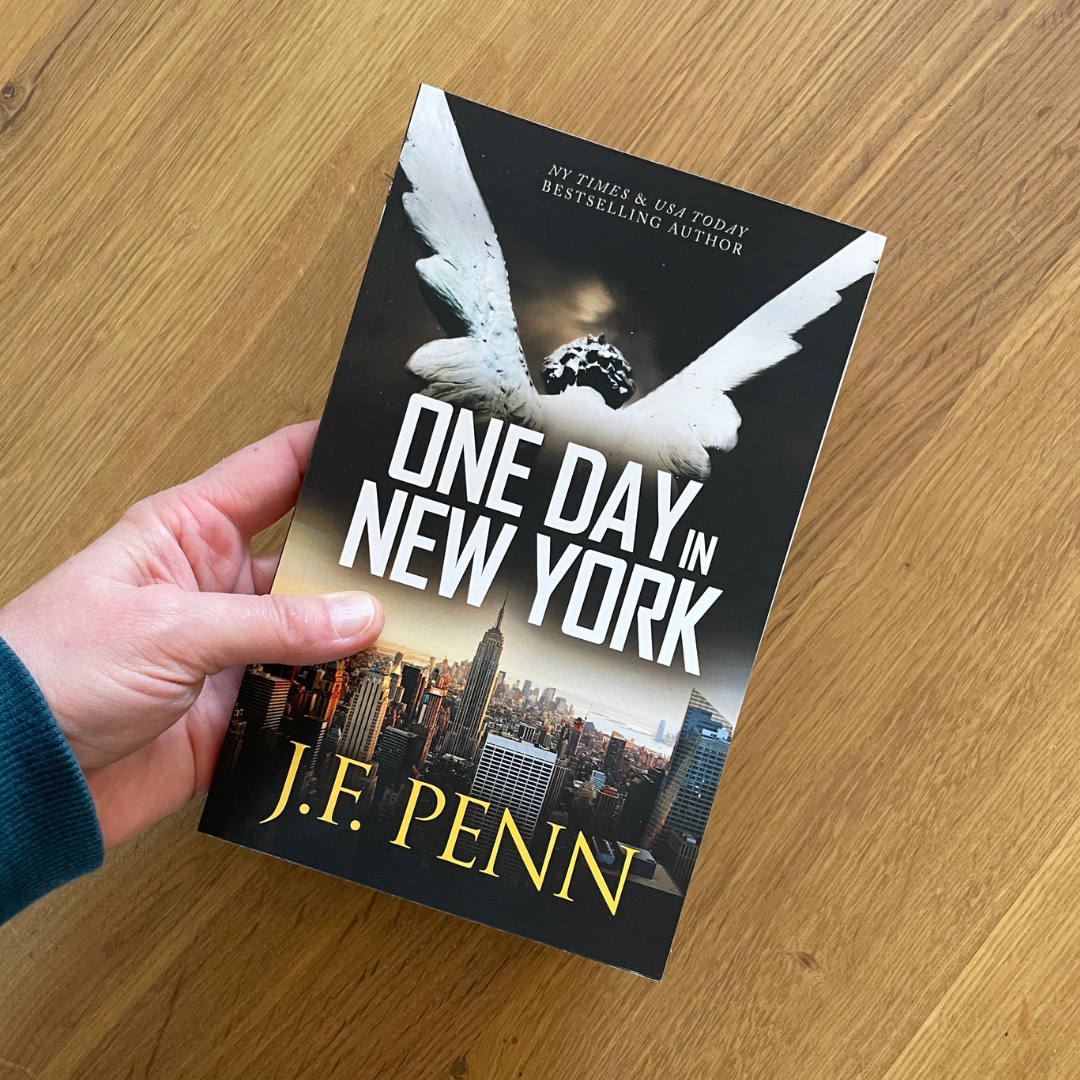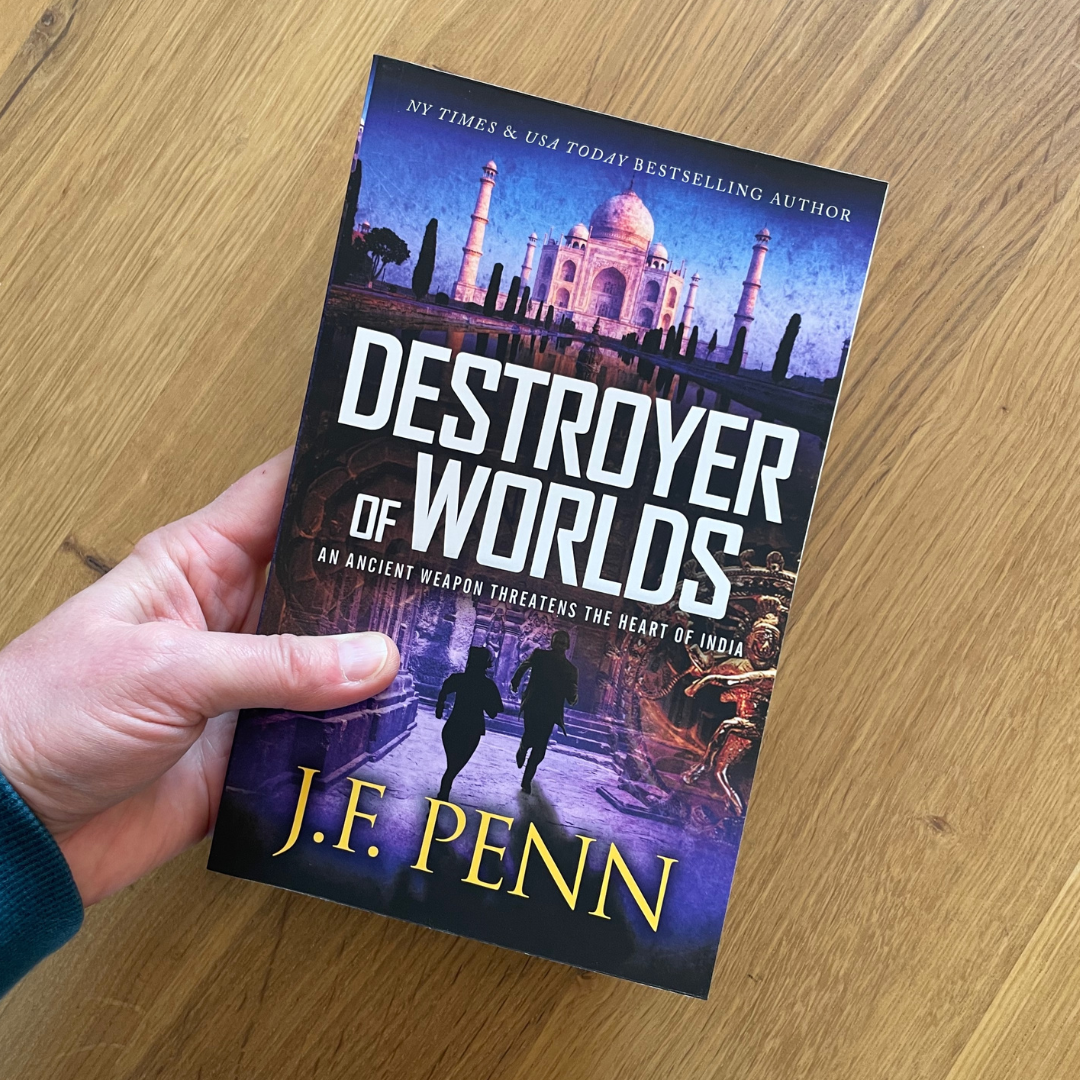


Read an excerpt of Tree of Life
“Now the Lord God had planted a garden in the east, in Eden; and there he put the man he had formed. The Lord God made all kinds of trees grow out of the ground — trees that were pleasing to the eye and good for food. In the middle of the garden were the tree of life and the tree of the knowledge of good and evil.”
Genesis 2: 8-9
“Nature, red in tooth and claw.”
Alfred, Lord Tennyson
“No tree, it is said, can grow to heaven unless its roots reach down to hell.”
Carl Jung
Prologue
A thousand candles lit the synagogue of Ets Haim in Amsterdam, the light flickering in a warm glow from the copper chandeliers that hung over the bowed heads of the faithful. Some held candles in their hands, upturned faces full of hope and sorrow, and their prayers spiraled heavenward with the sweet smell of smoke.
The fine acoustics of the synagogue resounded with the songs of the choir, unique to this community, sung in Hebrew with Portuguese inflection. The lack of electric light made the place seem timeless, the faithful engaged in a tradition stretching back across the ages. Words spoken by generations long dead, whispered behind closed doors during times of persecution, and spoken aloud with pride during times of freedom.
Aaron Heertje usually loved Yom Kippur, the holiest day of the Jewish year, when the community came together to repent and atone for their sins. But this year, it was a time of dread — he was about to have far more to atone for.
Sweat dripped down Aaron’s spine as he stood at the end of the wooden bench, his suit tight against his chest as he fought for each breath. His black top hat, worn by all men in the Portuguese Jewish community, sat like a heavy weight upon his head. He longed to pull it off, but he couldn’t draw attention to himself. He wiped his brow and tried to calm his pounding pulse as the seconds ticked away.
The cantor came to the end of his song, the final note lingering before fading into silence. Men from the community carried the Torah scroll from the ark of Brazilian jacaranda wood, brought from Recife by Portuguese Jews returning to the safety of Amsterdam. The Rabbi stepped forward to read. He used a yad, a ritual pointer with a tiny hand on the end, to move across the scroll as he recited the ancient words that Jews had spoken for thousands of years.
As others around him listened intently, some with lips moving to the familiar sacred text, Aaron looked at his watch. He was out of time.
The gaze of the community remained fixed on the Rabbi as Aaron stepped out of his row and hurried to the back of the synagogue. The fine sand strewn across the floor softened the sound of his footsteps, a reference to the desert crossed by the Israelites as they fled from Egypt so long ago.
Aaron slipped quietly out the door and rushed past the workshop where the candles were made for holy days. As the chanting rose once more, it stifled the sound of his retreat. But there was no one out here to witness, anyway. All the faithful were inside, taking their place as members of the community. A community he was about to betray.
As he reached the door of the library, he looked at his watch again. Just ten more minutes and Rachel would be safe in his arms once more. Aaron could only hope that he would have a chance to atone for the sin he was about to commit, but surely, it was a greater sin to let a loved one die when there was a way to save that life.
He pulled a key from his pocket with a trembling hand, his fingers lingering on the rough texture of its handle. The Rabbi had given it to him two years ago in exchange for a solemn promise that he would keep these manuscripts as safe as he would the souls of his loved ones. But as much as Aaron loved the word of God, he loved his wife more. All he had to do was give up one obscure fragment of a manuscript and she would be returned to him.
Perhaps no one would ever even know about it. After all, the Ets Haim Library held many thousands of books and hundreds of manuscripts, as well as countless fragments of ancient texts. Who would miss one tiny little piece?
Aaron pushed open the door and entered the library. The faint smell of cedar wood hung in the still air, a scent he always associated with this haven of learning. This place was akin to the Holy of Holies for those who loved words and who scoured the texts for ancient wisdom.
He held the candle high and his shadow cast a dark path ahead through the beam of light. In normal times, he would never bring an open flame in here, but the candle was safe in its holder and he dared not switch the lights on for fear of being seen.
The beam glanced over his allotted seat, the leather cushion worn and dented into the shape of his bony frame. It was not quite comfy enough to make study pleasant, but still, it had been his place in a sanctuary of learning reserved for true students. Scholars from all over the world tried hard to get a spot to study here, but it was almost impossible unless their credentials were well verified. Aaron had worked hard for that seat. Now it would be forever tainted by what he was about to do.
He pulled his phone from his pocket and opened the photo that had been texted to him last night. Rachel bound and gagged, her precious face bloody, her hazel eyes terrified — and a demand for a manuscript fragment with a specific library reference. Aaron had not recognized it, but then the library held so much and it would take many lifetimes to read every word it contained.
“Soon, my love,” he whispered, the surrounding books the only witnesses to his pain.
Aaron put away his phone and walked over to the index, a huge leather-bound tome with handwritten entries, added to over the years as ancient manuscripts were retrieved from communities around the world. He placed the candle-holder down and pulled out the pair of white gloves he always wore to touch the texts before leafing through the pages.
The entry he needed lay within an area of the library infrequently visited. It held not holy books, but fragments of texts that resisted scholarship because they were incomplete. This one was unusual as it was marked with only one word, Tuin. Aaron frowned. It was the Dutch word for garden and yet everything else was catalogued with Hebrew or at least a mixture of Hebrew and Dutch.
The sound of the cantor drifted across the courtyard and his prayers gave Aaron pause. What was he really giving away this night?
The seconds ticked away.
He shook his head. Rachel was everything and even the Rabbi must agree that her life was worth much more than this fragment, whatever it might be.
Aaron turned to a different part of the index, leaving it open at a new page to hide his search. He picked up the candleholder once more and hurried to the back section of the library beyond the furthest shelves he had been allowed to study. This area was not exactly forbidden, but the junior members of the library rarely accessed it. If he remained at Ets Haim, Aaron could climb the ranks of scholars over the years and as he progressed, he would be allowed to read more. Such manuscripts were a worthy goal for study — and right now, he trespassed too soon. It was necessary, but his heart hammered as he took each step toward his goal.
A huge rack of drawers stood against the back wall, etched with Hebrew letters and numbers, and some with strange symbols carved upon them. Aaron ran his fingers lightly over the wood, his lips moving in a prayer. The drawer he sought was near the bottom of the case, its number matching the ransom text. But there was something else next to the reference code.
An ancient Jewish warning, a curse of some kind.
Aaron frowned. It was highly unusual. These words were infrequently used, and he had never seen them in the library, only in ancient texts from pagan, superstitious places. Never here in modern Amsterdam. Perhaps it remained from some historical use of the wood, or… Aaron shook his head and pushed the doubts aside.
He tugged at the drawer, but it didn’t move. It was locked shut with no obvious place for a key. Panic rose inside as Aaron tried desperately to think where it might be and a hot flush washed over him as he thought of the ring of keys that the Rabbi carried at all times. Perhaps it was on his belt even now as he stood surrounded by the faithful in the hall… No, there had to be a way inside.
Aaron raised the candle higher and examined the drawers more carefully. There was no obvious keyhole, and sometimes the cabinetmakers created opening mechanisms in different places. He ran his fingers around the edge of the cabinet, feeling for any variation in the wood.
There, at the back of the base, a tiny catch.
He lifted it and heard a clunk from inside the drawers. Aaron knelt once more and pulled at the handles.
This time the drawer slid free, and he sighed with relief as he carefully eased it open. Some part of him expected to find something shocking or terrifying, something worthy of the curse protecting it. But inside, there were only three manuscript fragments encased in glass fitting snugly into the wooden drawer.
At first glance in the semi-darkness, they were nothing special, just more fragments in a library full of them. But as Aaron held the candle higher, he noticed that one of them looked unusual.
It was a fragment of a map rather than a manuscript, illustrated with tiny vines. He bent closer. No, they weren't vines; they were something else. There were hooks and razor-sharp barbs on the faded green swirls, and the crimson flowers that sprouted from them resembled open mouths dripping with poison. A tree stood behind the malevolent vines, part of its trunk visible on the fragment and intricately painted with strange symbols. Its leaves spread out across the page toward a deep river teeming with life. There were other markings on the edge of the map, but it was torn and ragged. This piece was perhaps one quarter of the original.
The tree gave Aaron pause. He stood within the Ets Haim Synagogue, named for the Tree of Life in the book of Genesis. Perhaps this image was the tree of which the scriptures spoke? But surely that was just a metaphor, and God did not cast mankind out of some physical Garden of Eden.
The fragment was beautiful and mysterious, precious for sure, but it was the price of Rachel’s life and Aaron was more than willing to pay it.
A sound came from outside the library, a scuff of boots on stone.
It was time.
Aaron lifted out the glass case with the Eden fragment and moved the others over to cover the space. He closed the drawer and stood up, spinning around and holding the candle high.
Footsteps came from the outer library.
A tall figure moved into the doorway just out of the candle beam, his features obscured by the semi-darkness. Aaron could see the immense size of the man. He filled the low wooden doorway, a looming physicality in a library built for men of a more studious stature.
“Where is she?” Aaron stammered.
“The manuscript first,” the man replied, his voice low and hoarse as if he had sustained some kind of throat injury and had to force his words out.
Aaron held up the glass case, his hand shaking a little. “It's only a fragment. This is all there is, I promise you.”
The man took a step forward, and his presence seemed to fill the room.
Aaron shuffled away until his back rested against the shelves. They were in the furthest reaches of the library now. There was nowhere to run.
The candle shook in his hand as the man reached for the glass case.
“Tell me where she is. Please.”
As the man stepped forward, the light of the candle revealed his face. The smoke turned his visage into something demonic with the hard planes of a fighter’s chin and underneath, a ravaged neck with the scars of one who had faced battle and emerged with no pity.
Sometimes God sent an avenging angel, sometimes His plan unfolded through the hands of violent men and Aaron had a sudden sense that his own tree of life was ending. In Kabbalah, there was a moment when each spark of light was released back into the world as its physical container perished. As he looked into the man’s eyes, Aaron understood that Rachel’s spark was already free. Perhaps it was not the worst thing that he would soon join her.
The man snatched the Eden fragment away with one hand and with the other, he raised a heavy golden candlestick high in his meaty fist. The sound of voices chanting prayers of atonement came from the synagogue beyond, and in that last moment, Aaron joined in, the sacred words smashed from his lips as the weapon came down.
Pain exploded as he fell to the ground, palms raised in supplication. The candle in his hand rolled away, its light flickering as the man loomed over him. As Aaron sank into darkness, he smelled petrol in the air. The flicker of flame spread across the library floor toward the ancient books. What had he done?
Chapter 1
Morgan Sierra stood on the edge of what remained of the still-smoldering library. The community gathered for Yom Kippur had stopped the fire from spreading too far, but much was burned and much more ruined by the water used to put it out.
Smoke rose from the pyre and ashes danced on the morning breeze, a bitter sight for Jews whose collective memory still echoed with the horrors of the Holocaust. The rise of the far-right in the rest of Europe seemed a long way from the open society of Amsterdam, but as she gazed into the embers, Morgan couldn’t help but wonder whether racial hatred had driven this attack as it had so many times before — and surely would again.
She and Jake Timber had arrived an hour ago on a red-eye flight from London, swiftly organized when Director Marietti discovered the target of the fire. He hadn’t said much on the phone, and his reticence was puzzling. ARKANE rarely became involved with hate crimes or terrorism of the everyday kind.
The Arcane Religious Knowledge And Numinous Experience (ARKANE) Institute investigated supernatural mysteries around the world. They focused on religious and occult forces, relics of power, and ancient places of blood rather than the more obvious terrestrial threats. Although the modern world might deny the existence of such things, Morgan had seen enough on her many missions to accept that not everything was as it seemed. Perhaps that was just as true today.
The wind changed direction and whipped the smoke around in a mini tornado. Morgan tasted ash in her mouth, the charred and bitter remains of the precious books of the library. The smell of mourning would linger in her clothes, a reminder of what had been lost.
On the flight over, she had read about the place in a hastily put together dossier from the archives of the ARKANE databases. Ets Haim was the oldest functioning Jewish library in the world, established by conversos, Jews forced to convert to Christianity who fled Portugal as the Inquisition scoured their ranks for souls to save and bodies to burn.
In 1492, the Jews of Spain had been expelled, and many retreated to Portugal, initially a safe haven of tolerance. But only a few years later, the Portuguese Jews were forced to convert in their turn. Some integrated into Christian society, but others fled to places where they could live in freedom, with some arriving in Amsterdam in the 1600s. Bet Jacob, the first Jewish community in Amsterdam, was formed in 1602 and the library started with its first Torah scroll.
Its literary prowess grew as the Dutch Republic became a center for printing and publishing in the seventeenth century. The ‘bookshop of the world’ used the distribution network of trade routes to ship books to all corners of the empire, and Amsterdam became one of Europe’s leading hubs for Jewish printing.
Over the years, thousands of Portuguese and Spanish manuscripts found their way to Ets Haim, a trusted resting place for the written traditions of a persecuted people driven from their homes. The Netherlands had been a haven, but even this place had not escaped the Nazis, who murdered seventy-five percent of the Jewish population after the invasion. They came for the library in the summer of 1943; the books packed into crates and shipped to Germany, but the Allies recovered and returned them in 1946.
Lack of funds threatened the library once more in the 1970s, but finally, in 2003, the UNESCO Memory of the World Register added the collection in recognition of its universal value and documentary heritage. The Jewish Cultural Quarter now thrived in the modern city, tolerant of their faith once more, and the library now contained over 25,000 printed books and hundreds of manuscripts and other fragments.
Ets Haim also held rare Kabbalistic texts, and Morgan wondered whether her father had visited as part of his own study. He had been a scholar of the ancient Jewish mystical tradition, murdered for his knowledge as one of the Remnant and avenged at the Gates of Hell.
“Morgan!” Jake called from across the pyre, beckoning her over through the billowing smoke. He stood with an old Rabbi, the man’s face creased with deep lines of wisdom etched by years of serving the Jewish community. But ash now smudged the lines, and exhaustion lay heavy on his shoulders.
Morgan walked around the edge of the pyre to join them. Jake’s muscular frame looked even larger next to the diminutive Rabbi, and his usual dark stubble was more pronounced given their early start. A faint corkscrew scar twisted away from the corner of his left eyebrow, which only served to emphasize his amber-brown eyes. They reflected a keen interest right now, one that made Morgan draw closer with curiosity. She knew that look. Jake had discovered something that might explain why they were here.
“Rabbi Cohen, this is Morgan Sierra. We work together at ARKANE.”
The Rabbi studied her more closely, his keen gaze assessing the planes of her angular face. Morgan brushed her dark curls back reflexively under his scrutiny. She had inherited her father’s Sephardic Jewish looks with the dark hair and tawny skin of Spanish heritage, although her eyes were unusual. A keen blue with a slash of violet in the right eye.
“Sierra?” the Rabbi said, his English slightly modulated with a Dutch accent. “We had a scholar here once with that name.”
Morgan smiled. “The name is not so unusual, but my father, Leon Sierra, was indeed a Kabbalist scholar. It’s possible he came to study here at your wonderful collection…” Her words trailed off and her smile faded as she realized that the books her father studied were most likely gone.
The Rabbi shook his head and sighed. “We know not the plans of God. Your father would have known that as well as I do.” He pointed to the back of the pyre nearest the wall of the synagogue complex. “I was just telling Jake about a part of our collection that I fear may be responsible for this destruction.”
He took a few steps forward until his shoes touched the edge of the smoldering pile, as if he would clamber over the ruins toward it. “We won’t know for sure what’s salvageable until the remains cool and we can dig underneath.”
He turned to face them again. Morgan saw a fire in his eyes reflected from the embers and kindled by the determination that drove the Jews of Amsterdam to survive when they were hounded from their homes so many generations ago.
“The fire crew said that the epicenter was at the very back of the library, where they also found the burned corpse of one of our congregation. Aaron Heertje, one of my students.” The Rabbi put a hand to his forehead and swayed a little.
Jake reached out to steady him, supporting his arm as the Rabbi continued. “The police informed us that the body of his wife, Rachel, was found at their home. They asked whether Aaron was depressed, whether perhaps this was a murder suicide, but I think it is far more, which is why I called Director Marietti. He and I have known each other for many years and he clearly trusts you in his stead.” He stood tall again and took a deep breath. “Come, it will be easier to show you.”
Rabbi Cohen shuffled toward the office complex on the opposite side of the courtyard, Morgan and Jake following close behind. The Rabbi pushed open the door and led them through to his office. It was a combination of ancient and modern with mahogany shelves laden with books, framed pictures from the history of the synagogue on the walls, and a wide desk inlaid with faded brown leather. A map of the world from the seventeenth century was mounted in an ornate frame marked with lines that snaked out from Portugal to the ends of the known world at the time.
The Rabbi opened a drawer and pulled out a slim laptop, its sleek modernity a sharp contrast to the timeworn surroundings.
He placed it on the desk and opened it up, then beckoned Morgan and Jake to gather closer. He tapped a few keys and pulled up a list of manuscripts and an index of the library. “We keep to the old traditions, but we also use technology to enhance our lives. The Lord gave us quick minds for a reason.”
He clicked through to an image, a fragment of a map illustrated with looped vines with spiked leaves and crimson flowers in front of a spreading tree on the edge of a river. The vibrant colors were unusual in a tradition that studied the stark letters of the Hebrew alphabet shaped into the words of the divine, and Jewish scrolls rarely featured such images. There were symbols and words on the fragment, but it was clearly just a portion of the whole.
“Ets Haim,” the Rabbi said, his voice wistful. “The Tree of Life from the book of Genesis, chapter three, after which the library is named.” He closed his eyes as he recited the verses in English. “‘The man has now become like one of us, knowing good and evil. He must not be allowed to reach out his hand and take also from the tree of life and eat, and live forever. So the Lord God banished him from the Garden of Eden to work the ground from which he had been taken. After he drove the man out, he placed on the east side of the Garden of Eden cherubim and a flaming sword flashing back and forth to guard the way to the tree of life.’”
As he spoke the words, Morgan bent closer to examine the image. The sharp edges of the thorns looked menacing as if the vines were alive and could slash apart and devour whatever approached.
This was no gentle Eden.
The Rabbi opened his eyes once more. “Few knew of this fragment, but it was kept at the back of the library where the fire started. I didn’t think Aaron knew of it, but perhaps he discovered its existence somehow.”
“So what exactly is it?” Jake asked.
The Rabbi scrolled across the image to focus on the tree by the river, only partially visible before the torn edge. “This is part of a map that reveals the true location of the Garden of Eden, a place forbidden to us and a knowledge handed down to a select few over generations. It was torn into four pieces when the Portuguese betrayed the Jews and allowed the Inquisition to tear the community apart. One piece came here, but the others are scattered, I know not where. Perhaps someone is trying to put them together again.”
Morgan looked over at Jake as he stood back to consider the Rabbi’s words. His brow furrowed as he studied the image, and his dark eyes were contemplative. Perhaps in the past, they both would have been doubtful that such a thing was possible. But such wonders filled the vaults below the ARKANE headquarters in Trafalgar Square in London, and she had seen things that dissolved her own doubts over time. If this truly was part of a map to the Garden of Eden, if the Tree of Life was even a possibility, then she and Jake had to find it first.
The location of Eden was a powerful secret coveted by believers of Judaism, Islam and Christianity alike, three powerful religions that would use any means necessary to take control of such a place. But more than that, it was every ecological warrior’s symbolic home, a place where Nature came first and humanity created as an afterthought.
Then there were those who pursued immortality at any price, the Silicon Valley billionaires who believed they could cheat death. She and Jake had encountered such people in the hunt for the Hand of Ezekiel — the bones that would raise the dead — and they had vast resources at their fingertips. There were so many people who would seek the Garden of Eden if it truly was a place on Earth. It was hard to know where to start.
Morgan smiled to herself at the challenge ahead. In the last months since she and Jake had knelt together on the island of Alcatraz, she had immersed herself in the ARKANE archives during the day, researching and learning to increase her knowledge. By night, she had trained to her physical limits, sometimes alongside Jake in the state-of-the-art gym, but often separately with a Krav Maga coach to regain her former strength and skill in the Israeli martial art. The burns on her skin from the great serpent had faded now, and she had regained her focus. She was back in control and ready for the next mission.
Jake walked around the desk and stood before the map of the Portuguese Empire, tracing the lines with a fingertip. “The Jews of Portugal scattered all over the globe in the wake of persecution. How do we know where to start looking for the other fragments?”
The Rabbi pushed back his chair with a creak and shuffled over. He reached up a finger and pointed to a city on the ocean. “You must start where it all began.”
Chapter 2
Aurelia dos Santos Fidalgo stood on the edge of the vast open pit mine, its levels exposed as it descended deep into the earth. Copper-colored rock strata stretched as far as she could see, fading into the distance, and bleeding into the bright blue of the Brazilian sky above.
The giant trucks that transported ore to the processing area looked like toys from this distance high above, but the din of their engines echoed up the canyon regardless, the sound of weapons wielded daily against the land. The roads they traveled were scars that deepened every day, marks that Aurelia imagined were etched upon her own heart.
Mina de Fidalgo was her father's dream. Billions of tons of iron ore lay in the rock along with gold, manganese, bauxite, copper and nickel and he had spent his life creating this place. He fought hard for the permits to excavate this area of protected rainforest and once granted, he accelerated development. Each truck full of ore was another stack of dollars in his bank account, each gouge from the land lined his pockets and those of the corrupt government he propped up with his growing wealth. Now Aurelia stood in his bloated mansion on the edge of the mine.
The house had been constructed far away from the original dig, but over the years, the mine expanded until her father’s grand dwelling sat right on the edge of the precipice. She put her hand against the glass window. Her brown skin looked almost translucent in the sunlight, and she spread out her thin fingers to try to blot out the wound on the land.
If only she could erase the whole thing.
But her father’s recent death had not given her complete power over the mining company. It had only made her a figurehead with his name. The Board retained decision-making power, and they had plans to expand into the National Park on the western edge of the mine. It was nominally protected for biodiversity and conservation, but Aurelia knew it was only a matter of time before the company cut further into her beloved rainforest.
She turned from the window and sat down at the long tigerwood table carved from a single piece, its rich grain oiled and polished to a bright sheen. She wished it still grew in the forest, a living being, pulsing with sap, every ring a memoir of its long life. But her father had hacked it down himself and made the table back in the early days of his marriage when he dreamed of a vast family. He wanted strong sons to carry his name and beautiful daughters to marry off to wealthy landowners, an ever-expanding empire. This grand house had been but a dream back then, when the rainforest was thick and lush and his plans for the mine were just stakes in the ground.
The years passed and wealth flowed in abundance, but her father’s goal of a huge family remained out of reach. Her mother miscarried over and over, her womb barren even as the ground gave up its lifeblood.
As her father told it, Aurelia was a child given by God as a reward for his years of dedicated service. But her mother had whispered the truth as she lay dying from lung cancer a few years back, the same disease that had carried off her father in recent months, both of them killed by toxic fumes from the very mine that had enriched them. The truth of her birth was a secret that could end Aurelia’s position in the mining company, and she could not risk that until everything was in place.
A gentle knock at the door and the maid walked in with a breakfast tray. Her eyes remained lowered as she put it down at the only place setting and hurried out. Aurelia didn’t know her name. She didn’t know any of the local staff whose livelihood depended on the mine. There were thousands of people employed here — manual laborers, truck drivers, ore processors, scientists. The newly created wealth benefitted all levels of society — but at the expense of the land.
Aurelia didn’t need to know their names because all of this would disappear soon enough. All these people would die, and her own time would inevitably come. One human life was a mere brief flicker of light against the dark expanse of the world. But some could flare brighter than others, and she intended to leave a legacy far greater than her father's.
She sat in the seat she had always taken in the family hierarchy. She could not bear to sit in her father’s grand chair, and she would not take her mother’s inferior position. Aurelia took a sip of green tea from a white porcelain cup, delicate crockery given to her mother back in the days when her father’s wealth expanded and potential business partners came courting. Her mother had never liked the crockery or even much of her life out here, but she had done what she had to for her husband and eventually learned to tame her wilder nature. Aurelia had grown up here overlooking the mine, her mother's doted-on princess, her father's only child. The heir who would take over his empire when he died.
“This is all for you, anjinha,” he would say. “Never forget it. This is your inheritance.”
Even on his deathbed, her father still urged Aurelia on to greater things. But he had never noticed, or perhaps never cared, how she always gazed toward the rainforest instead of the mine.
Aurelia checked her breakfast plate carefully. Sometimes the maid put on too much, but today it was correct. Ten almonds. Ten small pieces of her favorite white melon, melão branco, cut into perfect squares. A tablespoonful of lentils.
She slowly picked up one almond, placed it in her mouth and forced herself to chew, wishing as she did every day that she didn’t have to eat. Every calorie of energy she took from the world was one less for Nature's own survival. Her family had already taken so much from this land, and she hated to be the cause of yet more destruction. She closed her eyes and forced it down. It was important to sustain herself for the journey ahead, but perhaps it wouldn’t be much longer. Perhaps this time they would find it.
Aurelia glanced at her phone, but the screen lay black and dormant. No word yet.
She picked up a square of melon and placed it on her tongue, letting sweetness flood her mouth. It was almost too much pleasure, and she longed to spit it out. She did not deserve such joy, but she had to eat. Her bones were brittle, her joints ached, and her skin lay tight against her frame. Whereas once she had been praised for her slim form, most would not even look at her now, crossing themselves as she passed as if to ward off the inevitable death that must come for all. But Aurelia didn’t care for their opinion. She only had to sustain herself until she achieved her goal, and surely, it was closer now.
The cry of a harpy eagle came from outside, its wings outstretched as it soared on the hot air rising from the pit. Aurelia watched it with envy, wishing she could be as free. Did the eagle mourn the loss of its land as much as she did?
She speared another cube of melon and raised it to her lips, smelling the sweetness before taking a dainty bite. As she lifted the fork, the crockery vibrated on the table as the excavation below shook the foundations.
The Board wanted to excavate directly under the mansion, to blow apart the rock beneath. In truth, Aurelia would be happy to see this place demolished, but she did everything in her power to thwart them, withholding permission for its removal claiming emotional distress at the thought of losing her family home. They said they would rebuild it exactly as she remembered, but miles away from the noise and dust so it would be even better. But Aurelia wanted to wake every day to the din of the mine, each clang a sound of the end of the world. For that is what it was.
They would never stop. These voracious men clawed at the ground and sold truckloads of it for gold. They raped and stabbed and slashed and burned the Earth that they had once seen as a mother, and yet still She lived.
Enough.
It was time to restore Nature to Her rightful place, and Aurelia intended to fulfill the promise of her birth.
On her deathbed, her mother had beckoned Aurelia over. Her skin clung tight to her skull, the flesh hollowed out by cancer. She could barely speak for coughing, but she persisted, whispering between labored breaths.
“The Earth Mother punished me for the sins of your father. His polluted seed would not grow in my womb and every child that began to grow died within me until blood ran freely once more.” Her eyes filled with tears. “So many babies…”
She wiped the tears away as her gaze grew hard and determined. “After each time, he would return in the dark, force himself upon me even as the blood of the lost lay wet upon my skin. He would pray as he did it, asking God for a miracle to open my barren womb. But as the years went by and the wound in the ground grew deeper, I understood that the land scarred me within. The Earth Mother was raped as I was and She would never let me be fertile while Her body was broken apart.”
She coughed slightly, and it turned into a hacking retch that convulsed her body.
Aurelia held honeyed water to her mother’s cracked lips. “What then, mãe?”
Her mother took a deep breath and sighed. “I went to the only place I could turn to. The rainforest — and the shaman.” She smiled, her eyes alive with memory. “I traveled the old ways, unknown to your father, so he could not follow or send a man to track me. My people — your people, Aurelia — are rainforest dwellers who thrive under the green canopy. My soul died a little every day I lived on the scar, but as I walked into the forest, the call of the howler monkeys nourished me. The smell of the damp earth and the bright flowers replenished me, and the nuts and berries I foraged on the way renewed my health. I found the village on the third day. The shaman sat by the remains of a fire, staring into the embers. He looked up with no surprise and nodded in welcome.”
Her voice trailed off as she closed her eyes, her skin as pale as the waxy petals of an Amazon orchid.
Aurelia shook her a little, desperate to know the rest of the story, the truth of her history. “What happened then? How long did you stay?”
Her mother’s eyes opened once more, the color deepening to the brown of Brazil nut wood with a hint of green, the colors of Nature restored once more.
“The shaman passed his gourd for me to drink and as night fell, the other villagers gathered around. Strong men with limbs like the trees, women at one with the rainforest. We sang songs of our ancestors under the full moon and welcomed the Goddess into our midst. I entered the upper realms that night and you were planted within me.”
She grasped Aurelia’s hand, her grip suddenly tight. “I know it, for when I woke the next morning, the shaman still sat by the fire. This time, he smiled at me before placing a hand on my belly.”
Aurelia frowned. “So, who was my father?”
Her mother shook her head. “It doesn’t matter whose seed you came from. You were born through me. You are a true child of the rainforest, a pure soul of the trees made flesh.”
She pointed out the window toward the scar of the deep mine. “You were born to avenge the rainforest, but your father must never know of your lineage. I came out of the forest several weeks later and accepted his advances once more, but I knew you already grew within me. He considered you a miracle from his God, the one who teaches that man is the pinnacle of creation, but you truly are a child of Nature. When it is time, you must take your place and tear down all that he has built.”
Her mother died later that day, and her father made sure she had a proper Catholic burial with all the trappings of the religion Aurelia knew her mother hated. But she smiled to herself as the casket passed by, for her mother was not in that hard wooden box. Her spirit soared high above, drifting back into the rainforest, part of the Earth once more.
Soon after, Aurelia told her father she was going to Rio de Janeiro, to take some time out to think about her life.
He had waved her away, his focus on the latest iron ore figures from the mine. “Go. Spend what you like. Have a good time.” He looked up. “Find yourself a young man, have some fun.”
But Aurelia had not traveled to the big city for nights of pleasurable excess. She had journeyed deep into the Amazon in search of her true ancestry. The village her mother spoke of had been moved on by deforestation, but deep in the green, she found a shaman willing to share the gourd with her. By his age, he might have been the man her mother sat with, but he did not remember such things.
In the depths of her trance, Aurelia saw what the world could become without humanity’s pollution. An expanse of green with the flash of natural color from flowers and birds. Creatures living in harmony.
She would be the one to restore the Earth again.
After the rainforest, she had gone to Rio, but not to have fun. She spent months studying, learning, following a trail back to the European settlers of Brazil who wrote of a map to the Garden of Eden.
A sudden alarm sounded, interrupting her memories, the blaring din a warning of impending explosion.
Aurelia put her hands over her ears as the blast shook the house and echoed inside her head. Booming aftershocks rumbled through the ground, then the crash of rock collapsing, the roar of soil subsiding around it.
Another wound.
But this time, she relished the pain. It would be silenced soon enough.
At last, the noise subsided and there was a moment of silence before the giant trucks roared to life again. The manmade destruction would never stop unless she made it so.
Aurelia took a sip of her tea and separated the items on her plate. She would only eat half of each today. She trusted Mother Earth and it wouldn't be long until her body would return its energy to the rainforest where it belonged.
Her phone buzzed, and the screen lit up with a message from Amsterdam. The first piece was finally theirs.
Aurelia’s father had spent his life exploiting and destroying the natural world. She would spend hers restoring Nature to Her rightful place.
Chapter 3
Belém, Lisbon, Portugal
Sunlight danced across the waters of the River Tagus, and the smell of salt came on the air from the Atlantic Ocean beyond. Morgan leaned back and closed her eyes for a moment, letting the balmy September sun warm her skin. It was only a short flight from Amsterdam, but Portugal felt like a different world. The culture was closer to her own Spanish heritage and the relaxed atmosphere of the beaches of Tel Aviv in Israel where she had grown up. Perhaps the sun melted away the sharp edges of the northern European personality here. She wished they had more time to get to know the place, but as ever, the mission marched on.
“I didn’t know that the Portuguese once had such an empire,” Jake said. He stood on the edge of a huge mosaic compass rose with a map of the world at its heart. Portuguese caravels roamed the marble oceans, ships in full sail marked with the red crosses of the Order of Christ. The date of discovery marked each significant port from the Cape of Good Hope on the Horn of Africa in 1488, to Goa, India in 1498 and on to Macau in the east in 1514. Traveling west, the Portuguese had reached Cananéia in 1502, claiming the land of Brazil for its empire.
“The Jews went with them,” Morgan said. “Some in their new lives as conversos, New Christians, and others fleeing with ancient texts, holding to the faith of their ancestors.”
She imagined the terror of heading out to sea on such a vast journey, afraid of what lay ahead but knowing that to leave was to live another day. Jews had found unexpected havens in the corners of the Portuguese Empire, but how were she and Jake to discover where to follow next?
“Impressive, isn’t it?”
Morgan looked up to see a young woman standing astride the depiction of the Caribbean islands. She had a long, dark braid woven with colorful silk flowers and she held a cardboard tray with three takeaway coffee cups and a bulging paper bag.
“Director Marietti sent me to help while you’re in Lisbon,” she said. “I’m Ines, a student of archaeology on an ARKANE scholarship. He also mentioned that you might appreciate some of these.” She raised the tray a little. “Coffee and the best pastéis de nata you’ll find, possibly in the world.”
Morgan strode across the mosaic of Latin America with enthusiasm. Black coffee was her one true addiction, and it was already turning out to be a long day.
“Thanks so much, Ines. You’re a lifesaver.” Morgan reached for the cup and took a sip.
Jake went for the pastries first, opening the paper bag with a crinkle. The smell of cinnamon and hot sugar wafted into the air as he pulled out a tiny, perfectly formed flaky pastry case with a deep yellow egg custard filling and caramelized sugar on top. Most of it disappeared in one bite, and Morgan couldn’t help but laugh at the pleasure on his face as Jake enjoyed the sweetness.
“Oh, these are good,” he said, going in for another bite.
“Belém is the traditional home of the pastel de nata,” Ines explained. “But they’ve spread all over the world now, and you can taste why.”
Morgan turned to point at the huge Padrão dos Descobrimentos, the Monument to the Discoveries, which rose high above them on the edge of the river. “Is that how they spread?”
Shaped like the prow of a caravel, the monument featured prominent Portuguese historical figures. Vasco da Gama, discoverer of the sea route to India; Ferdinand Magellan, first to circumnavigate the world; Pedro Álvares Cabral, discoverer of Brazil, and so many more, with Henry the Navigator at the prow looking out to sea. Every intricate carving had a distinct face, and each carried aspects of their lives — a sword, a cross, a manuscript, an astrolabe.
Ines led Morgan and Jake closer to the monument. “They carried our faith and our language — over 250 million people speak Portuguese around the world now — and you can even get an excellent pastel de nata in Macau.”
She stared out across the water, her expression suddenly wistful. “We have a word in Portuguese, saudade, considered almost impossible to translate as it has no exact English equivalent. It is part longing and nostalgia, a kind of homesickness, and also conveys a sense of loss. Imagine a caravel leaving this port. One lover stands on the deck, the other on this shore. Saudade is the tension between the departed and the left behind.”
“That’s beautiful.” Morgan looked up at the famous faces of the explorers. “It’s incredible how far the Portuguese traveled. How does a nation go from ruling so much of the known world to being an almost forgotten corner of Europe?”
Ines shrugged. “I know, it’s crazy. But every empire must fall. You live in England, so it must be the same there. A once great empire reduced to architecture, forgotten books, and memory.”
Morgan nodded. “I think the English still have delusions of grandeur on the world stage, but you’re right, empires must fall. The only question is how long they last and whether they realize they’re at the end.”
Jake gazed up at the figures. “And how many die at their hands,” he whispered.
Ines turned back toward the road. “It wasn’t just the far reaches of empire where my people slaughtered innocents. Come, I’ll take you into the city and show you the archives.”
She led them away from the busy tourist buses to a row of tuk-tuks, the three-wheeled auto-rickshaws used all over Asia but less common in Europe. Ines beckoned them over to one decorated with the same silk flowers she had wound in her plait.
“This is yours?” Morgan climbed into the tiny vehicle. Jake squeezed in next to her, his muscular frame pressing against her leg.
Ines patted the driver’s seat proudly. “I used some of my grant money to buy it and I earn extra cash when I’m not busy at the archives. Tourists love the tuk-tuks. They’re the fastest way to get around the city, that’s for sure.”
She pulled into the traffic and they sped off along the waterfront back toward the city. They passed through dilapidated areas with boarded up ruins and empty houses, as well as more industrial parts in what was still a busy port.
Morgan had second thoughts about Ines’s seemingly gentle nature as she darted in and out of the traffic, turning around to point things out and weaving away from cars at the last moment with a liberal use of her blaring horn.
Jake grinned as they sped past a colorful food market. “This is awesome. Perhaps we could convince Marietti to get us one for the London office?”
They soon pulled up in the center of the old city and parked at the back of a rank of tuk-tuks. Ines went to speak with some other drivers, her lively chatter evidence of her place in the community.
She returned to them a minute later. “Come, it’s this way.”
They walked the last few streets along the distinctive pavements of the old city, calçada portuguesa, a unique style of hand-cut and hand-laid stone in wavy patterns of dark and white, as if the river twisted inland. Bright hand-painted azulejos tiles dotted the facades of houses and shops above, brought to Portugal by the Moors of North Africa.
Lisbon was truly an eclectic mix of cultures, modern evidence of the Portuguese Empire which brought immigrants from former colonies in Asia, Africa and Latin America. As they passed, the sound of fado drifted out of a bar, sometimes called the Portuguese blues for its blend of lyrical fatalism and resilience against the odds, a lament for an irrecoverable past.
They rounded a final corner and entered a tree-lined plaza where locals sat drinking coffee in dappled light next to the walls of the Convent of Our Lady of Carmel. Ines spoke to the clerk on the tourist desk and she waved them all inside.
They emerged into the medieval remains of a once grand house of worship. Morgan looked up in wonder at what remained of slender columns leading up to arches in the plain Gothic style. Somehow it seemed even more like a house of God without a roof, as the blue sky above formed the true vault of Heaven. Faith could never be contained in buildings constructed by human hands, and no matter the beauty of the place, Morgan always felt closer to the ineffable in nature than in man’s creation. This ruined convent combined the best of both worlds.
“The 1755 earthquake destroyed this along with the great library,” Ines explained. “The military used it for a while and eventually, it was partially reconstructed but then the 1969 earthquake damaged it further.”
“Perhaps God prefers it this way,” Morgan said softly.
Ines led them on through the nave toward the far end of the convent, which housed the small Archaeological Museum. She pushed open the door and led them through the chapel of the old apse, explaining interesting things as they walked. Pieces of sculpture retained from the ruins, Gothic sarcophagi including the tomb of King Ferdinand I from the fourteenth century, and even Bronze Age spears and tools.
Morgan recognized something of her younger self in Ines, the keen interest in so many areas and the difficulty of choosing an area to focus on. She had felt that way back in training for the Israel Defense Force, but her husband Elian’s death in a hail of bullets on the Golan Heights had focused her search for meaning. She could only hope that Ines would not have to suffer such loss in order to find her true path.
“I’ve been working on a special project for ARKANE,” the young woman explained. “There are manuscripts here that date back to the Catholic archives of the Portuguese Inquisition and even the Lisbon Massacre of 1506.”
Jake frowned. “I always thought the Inquisition was Spanish?”
Morgan gave a rueful smile. “Fanaticism knows no borders.”
Ines led them on into an unusual chamber. Wooden bookshelves densely packed with leather-bound volumes lined the high stone walls. An Egyptian mummy lay in a painted sarcophagus dated from the second century BCE. Two sixteenth-century Peruvian mummies sat entombed in glass cases, hunched over with bound legs and shrunken, leathery flesh. It was a macabre room of vellum, bone and parchment, a contrast to the sanctuary of stone outside in the fresh air.
The chamber grew dark as clouds passed over the sun beyond the windows, and Morgan shivered a little at the dead flesh before her. It was nothing like the mummy crypt in Palermo where she and Jake had sought the Devil’s Bible, but somehow this place had a truly grim atmosphere.
Ines opened one of the glass-fronted bookshelves and pulled out a heavy tome. Jake helped her heft it onto the top of the Egyptian mummy case, and she opened it to a section on the Lisbon Massacre.
“I wanted you to see this. The words of a monk who witnessed hundreds of Jews tortured, beaten to death by the mob or burnt at the stake at Rossio Square, just down the road.”
Morgan walked over to the bookcase and stared in at the volumes. The ashes of the pyre of the library in Amsterdam were nothing to the number of Jews burned here in Lisbon and those countless souls immolated all over Europe across the generations. Most knew of the Holocaust, but pogroms were common all over the continent as her people were blamed for everything from plague to economic ruin.
She took a deep breath and turned back as Jake bent over the manuscript to look more closely at a page displaying a hand-drawn map. The illustration was similar to the Portuguese Empire on the wall of the Rabbi’s office.
“Many of the New Christians, or conversos, who survived left after the massacre,” Ines explained. “Any remaining escaped when the Portuguese Inquisition was established thirty years later. Of course, its influence spread throughout the empire, but some Jews found a haven in the colonies.”
“We’re looking for pieces of a particular manuscript,” Morgan said. “Why would this help?”
Ines pointed to the map. “Look closer.”
Morgan walked to the other side of the sarcophagus and bent over the tome.
Jake leaned back a little to let her see and pointed to a tiny sketch next to a line of ships sailing away from the coast. “Look familiar to you?”
It was a tiny illustration made by the hand of someone with great skill depicting curled vines with sharp spikes and crimson flowers.
“The word next to it,” Ines said softly. “Hortus.”
“The Latin word for garden,” Morgan finished for her as she looked down at the caravels sailing east. “Then we will follow the same path.”
They walked back outside together and as a taxi pulled up, Morgan smiled at Ines. “Come to the London ARKANE office sometime. I’d love to show you what we have in our archives. I think you would find it fascinating.”
Ines beamed with enthusiasm. “I’d love that, thank you. I’ll put a request in after the summer break.”
* * *
Frik Versfeld pulled his baseball cap lower over his forehead, his eyes hidden from view by designer mirrored sunglasses as he gazed at the man who stood only meters away outside the convent walls. It took everything he had to rein in the anger that surged inside as he focused on the man’s features.
It had to be him. Jake Timber.
Frik raised a hand to touch his throat, fingertips brushing the ugly scars that still marred his body even after countless grafts and surgery. He was a monster because of what Jake had done years ago and he had dreamed of revenge for so long, but Jake had disappeared off grid. What was he doing here now?
Frik raised his phone and took several photos of the convent walls, as any tourist might do, but he made sure to get Jake and the two women with him in the frame.
As Jake stepped into a taxi with the older woman, Frik followed the younger one as she walked away. His fingers itched to wrap around her slim neck. She would tell him what they had found within the convent and where Jake would go next. Aurelia had ordered him to find the Jewish archive in Lisbon as a way forward in their search for the map to Eden, but now, it seemed, he might be able to settle a more personal score along the way.